The recent escalation of the blueberry recall by the Food and Drug Administration signals a critical shift in how federal agencies are monitoring industrial food supply chains in early 2026. On February 24, 2026, the FDA assigned its most severe risk level to a significant volume of frozen blueberries previously recalled by the Oregon Potato Company.
This Class I designation is reserved for situations where there is a reasonable probability that the use of or exposure to a volatile product will cause serious adverse health consequences or death. The primary concern stems from the potential presence of Listeria monocytogenes within specific lots of individually quick frozen berries distributed across Michigan, Oregon, Washington, and Wisconsin, as well as parts of Canada.
Table of Contents
Clinical Profile of Listeria Monocytogenes in Frozen Produce
Listeria is a resilient bacterium that presents a unique challenge to the food industry because of its ability to thrive in cold, moist environments typically found in processing plants. Unlike many other foodborne pathogens, it can continue to grow at refrigeration temperatures. When humans ingest contaminated produce, the resulting infection, known as listeriosis, can manifest in two distinct forms.
The non-invasive form often results in typical food poisoning symptoms such as fever, muscle aches, and gastrointestinal distress. However, the invasive form is significantly more dangerous, potentially leading to meningitis or septicemia. For high-risk populations, including the elderly and those with compromised immune systems, the mortality rate associated with invasive listeriosis remains a serious public health concern in 2026.
Identifying Affected Industrial and Bulk Blueberry Lots
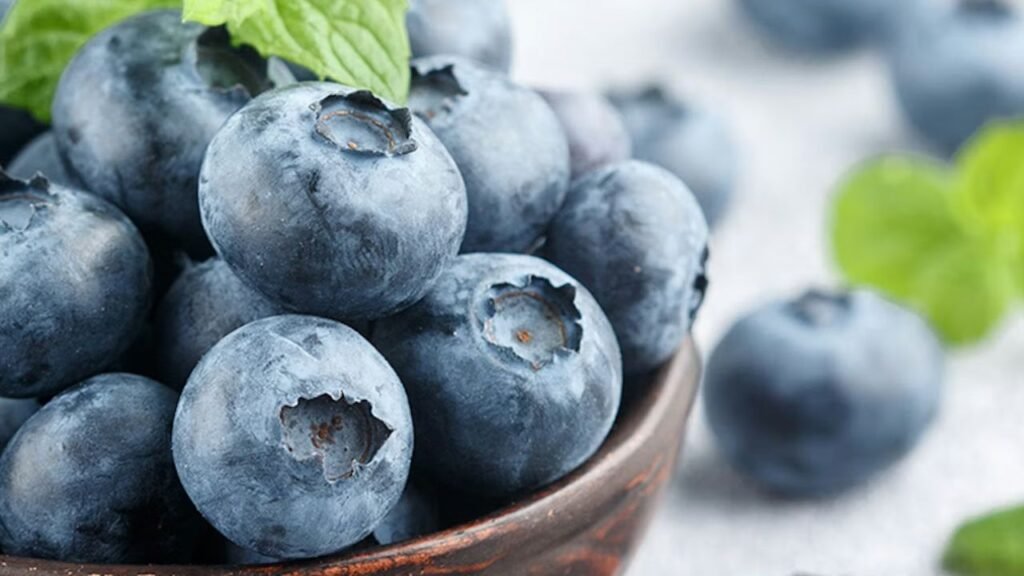
The scope of this recall is substantial, involving over 55000 pounds of fruit produced by the Willamette Valley Fruit Company. It is important to note that these items were not sold directly to consumers in retail packaging like small grocery store bags. Instead, they were distributed in large-scale industrial formats intended for commercial kitchens, bakeries, or further food manufacturing.
The fruit was packed in either 30-pound corrugated cases or massive 1400-pound industrial containers. Each of these units was lined with polyethylene to maintain moisture levels during the freezing process. Stakeholders in the food service industry must immediately cross-reference their inventory against the specific lot numbers and expiration dates provided in the federal enforcement notice to ensure no contaminated fruit enters the secondary food supply.
Distribution Channels and Regional Impact Analysis
While the recall originated with a firm in the Pacific Northwest, the distribution network for these frozen blueberries extends across the northern United States and into international markets. The heavy concentration of the recall in Michigan and Wisconsin suggests that these lots may have been destined for midwestern food processing hubs or large-scale institutional catering services.
Because the product was distributed to consignees via email notification rather than a public retail announcement, the burden of containment falls on commercial buyers and distributors. This logistical approach highlights the complexity of modern food traceability, where a single contaminated batch in one state can rapidly move through various supply chain tiers before a risk is fully identified by federal inspectors.
Comparative Overview of Blueberry Recall Specifications
| Packaging Type | Unit Weight | Lot Numbers | Best-By Date |
| Corrugated Case | 30 Pounds | 2055 B2 | July 23 2027 |
| Corrugated Case | 30 Pounds | 2065 B1 | July 24 2027 |
| Corrugated Case | 30 Pounds | 2065 B3 | July 24 2027 |
| Industrial Liner | 1400 Pounds | 3305 A1 | Nov 25 2027 |
| Industrial Liner | 1400 Pounds | 3305 B1 | Nov 25 2027 |
Practical Application for Food Service Providers
In the current 2026 regulatory environment, food service managers must treat a Class I recall with immediate urgency. The practical application of this news involves a multi-step containment strategy. First, any facility in the four affected states that utilizes bulk frozen blueberries should isolate their current stock and verify the lot codes against the FDA enforcement list. If a match is found, the product must be marked as do not use and moved to a secure area away from other food items to prevent cross-contamination.
Second, because these berries have a long shelf life extending into 2027, it is not enough to check current prep lists; historical invoices must be audited to ensure that none of the affected product was used in items that are currently being held in long-term cold storage or have been redistributed to smaller satellite kitchens.
Key Takeaways
- The FDA issued a Class I recall for blueberries on February 24 2026 due to Listeria risks.
- Contamination affects 55689 pounds of fruit across four states and Canada.
- Listeria monocytogenes can cause life-threatening infections in vulnerable populations.
- Affected products are industrial-sized 30-pound and 1400-pound containers.
- Commercial users should check lot numbers extending through November 2027.