The concept of parental love is undergoing a significant cultural shift in February 2026 as the baby boomer generation navigates the complexities of retirement and changing family structures. Many parents who are now entering their mid-sixties find themselves living in close physical proximity to their adult children yet experiencing a sense of emotional or social disconnection. This phenomenon highlights a critical misunderstanding that has persisted for decades: the belief that geographical closeness and the frequency of physical visits are the primary metrics of a successful relationship.
In reality, the traditional expectation of constant family integration is being replaced by a more nuanced understanding of presence and intentionality. As professional and personal schedules become increasingly dense, the quality of interaction is beginning to outweigh the quantity of time spent together under one roof.
Table of Contents
The Psychological Gap Between Physical Proximity and Emotional Presence
Living twenty minutes away from family members in 2026 does not guarantee a deep emotional bond, as the digital age has redefined how we perceive distance. The psychological term for this is the proximity paradox, where the ease of potential contact actually leads to a decrease in urgent or meaningful interaction. When parents spent the previous decades prioritizing financial stability and future security as their primary expression of love, they often inadvertently established a pattern of functional rather than emotional relating.
Adult children, now raising their own families, often mirror these learned behaviors, viewing love as the provision of stability rather than the maintenance of frequent social rituals. Breaking this cycle requires acknowledging that a short drive cannot bridge a gap created by years of prioritized labor over consistent emotional engagement.
Shifting Retirement Expectations in a High Speed Society

The idealized version of retirement often sold in marketing materials typically features multigenerational households or constant grandparent involvement. However, the current reality for many 65-year-olds involves navigating an empty calendar and a quiet home. The transition from a structured 40-hour work week to a self-managed schedule can amplify the silence, leading many to tally the days between phone calls or visits.
This mathematical approach to relationships often breeds resentment rather than connection. Experts now suggest that retirees find more fulfillment by focusing on unconditional enthusiasm in their daily routines, such as pet ownership or community involvement, which provides the consistent social feedback that busy adult children may be unable to offer during their peak career and parenting years.
Data Comparison of Generational Family Interaction Trends
| Interaction Metric | 1996 Average Standards | 2026 Current Trends |
| Primary Communication | Landline Phone/In-Person | Video Calls/Asynchronous Messaging |
| Expected Visit Frequency | Weekly Sunday Dinners | Twice Yearly Major Gatherings |
| Love Currency | Physical Presence/Labor | Shared Digital Experiences/Niche Interests |
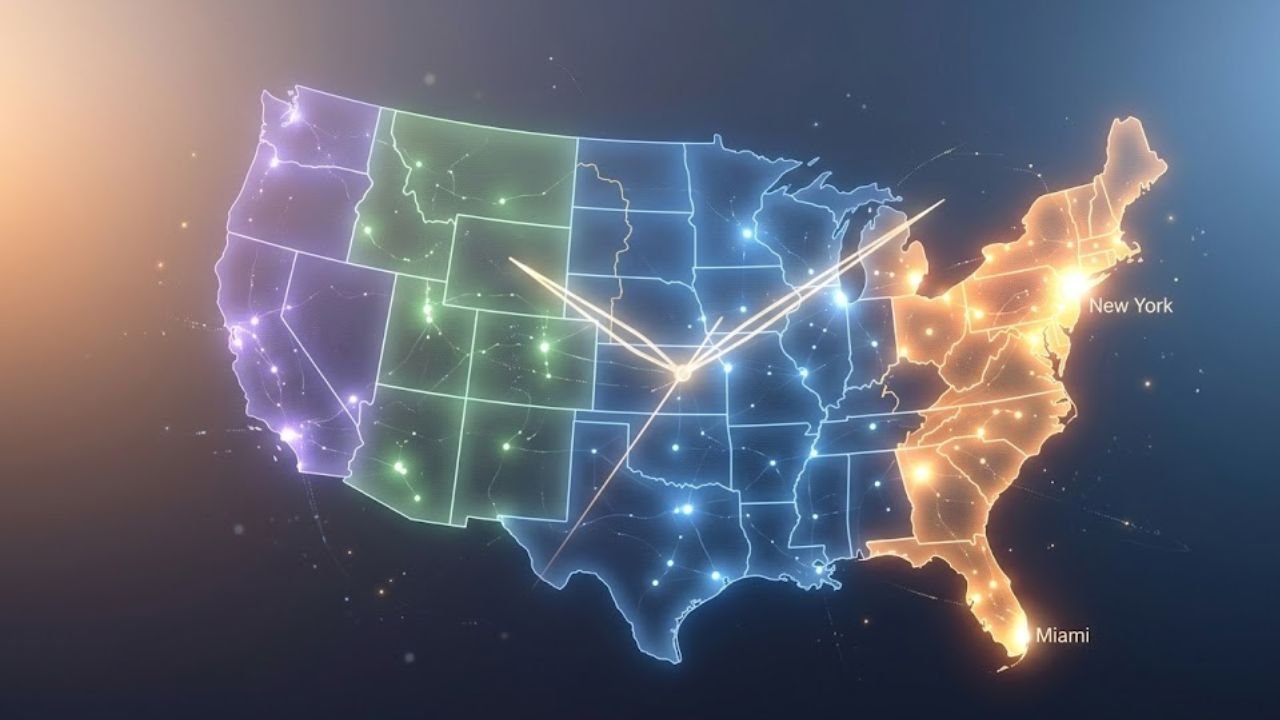
| Geographic Distance | Often Multi-State Separation | High Frequency of Local but Busy Living |
| Relationship Foundation | Obligation and Tradition | Choice and Shared Value Systems |
The Architecture of Targeted Grandparenting Experiences
To foster deeper connections with the next generation, many are moving away from attending every routine event, such as sports practices, in favor of targeted special days. These one-on-one experiences allow for a level of focused attention that is impossible in a crowded family setting. By removing the distractions of siblings, parents, and mobile devices, the grandparent can establish a unique rapport based on the child’s specific interests, whether that involves visiting a museum or simply exploring a local park. This strategy shifts the focus from being a peripheral figure in a busy life to being a central figure in a specific, cherished memory. It is a practical application of the idea that being entirely there during a short window is more impactful than being partially there for a long duration.
Rebuilding Connections Through Low Pressure Outreach
For those feeling the weight of a twenty-minute distance that feels like miles, the most effective strategy today is low-pressure outreach. Instead of waiting for an invitation or issuing a guilt-laden request for a visit, many parents are finding success through spontaneous, short-duration interactions.
Showing up with a simple gift, like a box of donuts costing $15, without expecting a long stay or a clean house, removes the burden of hospitality from the adult child. This approach signals that the parent is interested in the reality of the child’s life, including the messy kitchens and the work-related stress, rather than an idealized version of a family visit. By lowering the stakes, the frequency of meaningful contact often increases naturally because the visits no longer feel like a chore or a performance.
Key Takeaways
- Proximity is not a substitute for active emotional engagement in modern families.
- Retirement requires a shift in focus from managing time to cultivating meaningful presence.
- Quality one-on-one time with grandchildren often outweighs regular attendance at group events.
- Spontaneous, low-stakes visits can break long-standing patterns of familial obligation.
- Parental love in 2026 is increasingly measured by shared interests and digital connectivity rather than just physical visits.