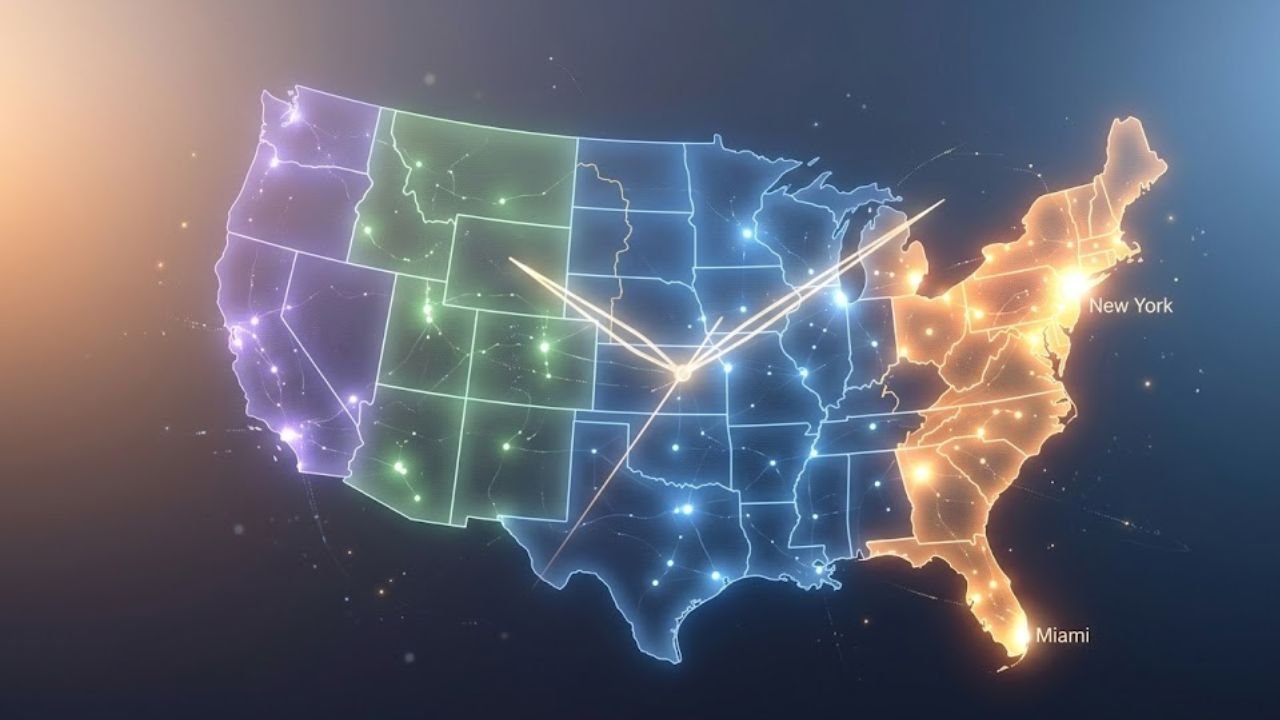
The Department of Energy has finalized a historic $26.5 billion financing agreement designed to stabilize electricity savings for millions of residents across Georgia and Alabama. As of February 2026, this move represents the largest single loan package in the department’s history, targeting the modernization of the aging energy infrastructure managed by Southern Company subsidiaries.
By providing lower-cost federal financing, the initiative aims to offset the rising costs of energy production and transmission that have historically burdened households in the Southeast. Experts suggest that the primary goal is to provide a buffer against market volatility while ensuring that the transition to a more reliable grid does not result in immediate rate hikes for the nearly 4.3 million customers served by Alabama Power and Georgia Power.
Table of Contents
Scaling Grid Capacity Through High-Voltage Expansion
The core of this investment focuses on the deployment of more than 1300 miles of high-voltage transmission lines. These lines are critical for moving large blocks of power from generation sites to high-demand urban centers, reducing the line loss that often occurs in outdated regional networks.
By upgrading the physical skeleton of the grid, the utility providers can better manage the 16 gigawatts of firm power now being integrated into the system. This expansion is not merely about more wires but about the intelligent routing of electricity to ensure that peak demand periods in the sweltering Southern summers do not lead to brownouts or localized failures.
Modernizing Generation and Storage for Reliability
A significant portion of the $26.5 billion is earmarked for hydropower modernization and the integration of battery energy storage systems. Hydropower remains a vital source of baseload energy in the region, but many existing plants require technical overhauls to maintain efficiency. Simultaneously, the introduction of large-scale battery storage allows the grid to capture excess energy during low-demand hours and discharge it when the system is under stress. This combination of traditional mechanical upgrades and modern chemical storage is intended to create a more resilient portfolio that includes natural gas generation as a reliable backup during the transition to a more diversified energy mix.
Financial Mechanics of Interest Expense Reduction
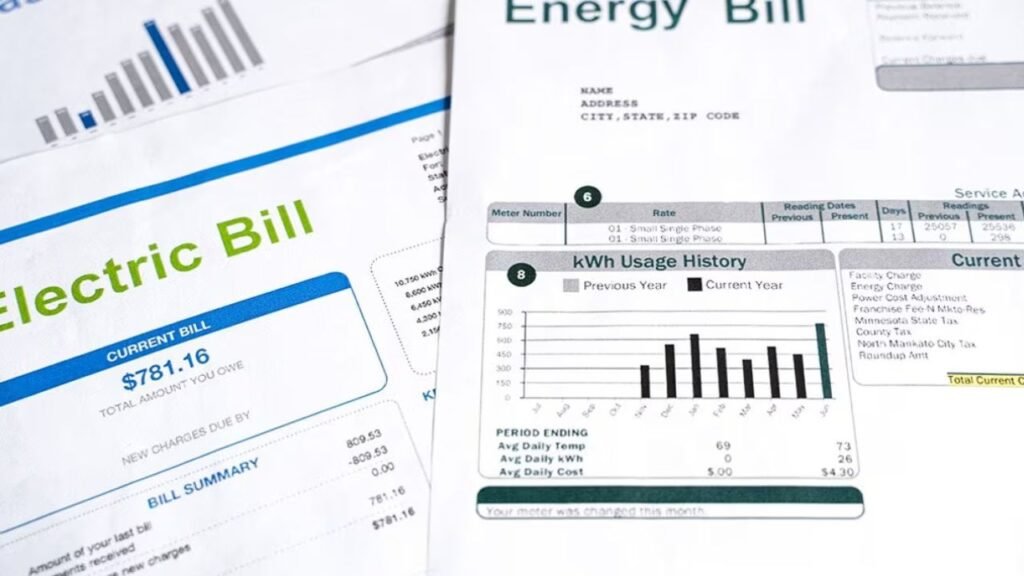
The $7 billion in projected savings is a direct result of the difference between federal interest rates and private market borrowing costs. Southern Company expects to reduce its annual interest expenses by more than $300 million once the program is fully funded. In the utility sector, interest on debt is a major component of the “revenue requirement” that determines what customers pay on their monthly bills. By lowering the cost of capital, the Department of Energy effectively reduces the upward pressure on rates, allowing the utility to invest in infrastructure without passing the full financial burden onto a population that has historically faced some of the highest average residential bills in the nation.
Long-Term Projections for Energy Dominance Financing
The Office of Energy Dominance Financing has structured this deal with a horizon that extends through September 15, 2033. This long-term approach allows for the gradual draw-down of funds as specific infrastructure milestones are met. While the headline figure of $7 billion in savings is estimated over a thirty-year term, the immediate impact will be felt in the stabilization of rates as the regional demand for electricity grows.
This growth is driven by both industrial expansion in the Southeast and the increasing electrification of residential heating and transportation, making the timing of this federal intervention critical for regional economic stability.
Key Infrastructure and Financial Metrics for the 2026 Energy Initiative
| Project Component | Technical Scale | Projected Economic Impact |
| Transmission Lines | 1300+ Miles | Enhanced regional reliability |
| Firm Power Capacity | 16 Gigawatts | Reduced risk of peak-demand outages |
| Annual Interest Savings | $300 million | Stabilized monthly utility rates |
| Total Customer Savings | $7 billion | Long-term household cost reduction |
The practical application of this federal loan is found in the separation of infrastructure growth from consumer rate increases. Typically, when a utility builds a new transmission line or upgrades a dam, the cost is recovered through the rate base, meaning customers see a price jump. In the current 2026 economic environment, the DOE loan acts as a subsidy for the cost of money itself.
For a resident in Alabama or Georgia, this doesn’t necessarily mean the bill will drop by $50 tomorrow, but it prevents the $20 monthly increase that would have been required to fund these 16 gigawatts of new capacity. This is a strategic use of federal credit to ensure that the “Energy Dominance” of the United States is built on a foundation of affordable domestic access rather than just raw production numbers.
Key Takeaways
- Millions of residents in Georgia and Alabama will benefit from a $26.5 billion federal energy loan.
- The financing is projected to save consumers $7 billion over the next three decades.
- More than 1300 miles of new high-voltage transmission lines will be constructed.
- The loan reduces utility interest expenses by $300 million annually to keep rates stable.
- Infrastructure upgrades include hydropower, natural gas, and battery energy storage systems.