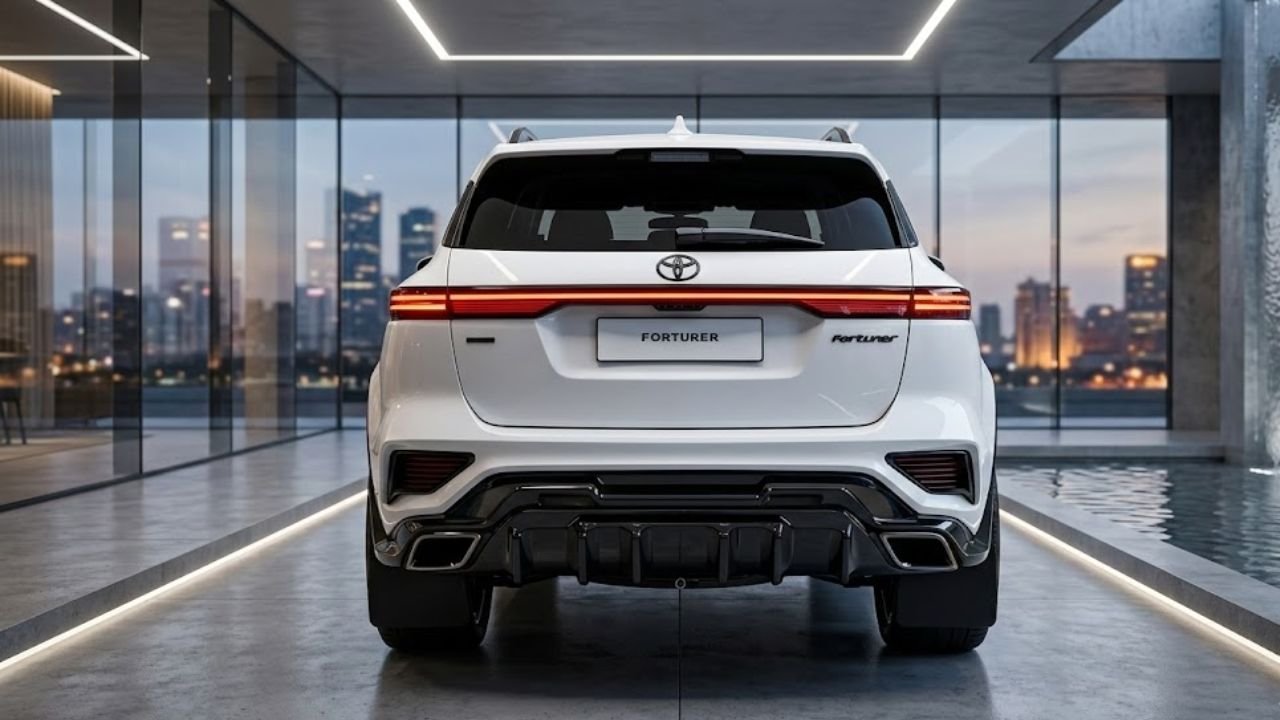
The global automotive market has seen a rising demand for vehicles that bridge the gap between heavy duty off roaders and compact urban crossovers. The 2026 Toyota Mini Land Cruiser emerges as a strategic addition to this segment, distilling the legendary DNA of its larger siblings into a more agile and fuel efficient package. This new model aims to provide the ruggedness required for weekend adventures while maintaining the maneuverability necessary for navigating crowded city streets. By prioritizing a lightweight chassis and a high torque powertrain, Toyota is positioning this vehicle as a versatile solution for a diverse range of modern drivers.
Table of Contents
Iconic Design Philosophy and External Dimensions
The exterior of the 2026 Mini Land Cruiser pays homage to the heritage of the brand with a boxy, retro inspired silhouette that emphasizes functional durability. A vertical front grille and circular LED headlamps create a distinctive face that is instantly recognizable. To ensure the vehicle can handle varied terrain, engineers have incorporated high approach and departure angles, complemented by robust underbody skid plates. The use of matte finish cladding around the wheel arches helps protect the paintwork from debris during off road excursions, while the compact wheelbase allows for a tight turning radius in urban environments.
Interior Layout and Technological Integration
Inside the cabin, the focus shifts toward a blend of utility and modern refinement. The dashboard is constructed with high quality, easy to clean materials, reflecting the adventurous nature of the vehicle. A centrally mounted high definition screen serves as the primary interface for vehicle settings and media, while physical knobs are retained for critical climate controls to ensure ease of use while driving.
- Customizable digital driver display for real time navigation and tilt sensors.
- Support for wireless smartphone integration across all trim levels.
- Ergonomic seating with water resistant fabric options for outdoor enthusiasts.
- Ample overhead storage consoles and deep door pockets for gear.
- Multi zone ventilation system designed to maintain cabin temperature in extreme climates.
Mechanical Specifications and Expected Market Pricing
The core of the Mini Land Cruiser is a sophisticated 2.4 litre turbo diesel engine that has been optimized for low end grunt and high speed cruising efficiency. This engine works in tandem with a specialized 7 speed transmission to provide a linear power delivery. Below is a detailed breakdown of the technical specifications and the anticipated pricing structure for the initial launch phase.
| Component | Technical Specification | Estimated Value |
| Engine Displacement | 2.4L Turbo Diesel | 2393 cc |
| Peak Power Output | 180 Horsepower | 134 kW |
| Transmission Type | 7 Speed Automatic | Torque Converter |
| Drivetrain | Full Time 4WD | Electronic Locking Diff |
| Starting Price | Base Variant | ₹3,90,000 |
| Top Tier Price | Adventure Edition | ₹4,20,000 |
Fuel Economy and Environmental Performance
One of the most discussed aspects of the 2026 model is its exceptional mileage, which is projected to reach up to 38 km/l under specific testing parameters. This level of efficiency is achieved through the implementation of a mild hybrid system that assists the diesel engine during heavy acceleration. Additionally, an intelligent idle start stop mechanism ensures that the engine does not consume fuel while the vehicle is stationary at traffic signals. The aerodynamic profile, though boxy, has been subtly refined with air curtains and a flat underbelly to minimize drag at highway speeds, significantly extending the driving range on a single tank.
Safety Architecture and Driver Assistance Systems
Toyota has not compromised on occupant protection, equipping the Mini Land Cruiser with a comprehensive suite of safety technologies. The vehicle utilizes a reinforced frame designed to absorb and redirect impact energy away from the passenger cell. Active safety features work in the background to monitor the surroundings and provide alerts or interventions when necessary. These systems include a pre collision radar that can detect pedestrians and cyclists, as well as a lane tracing assistant that helps keep the vehicle centered during long highway journeys. Multiple airbags, electronic stability control, and a specialized traction management system for slippery surfaces come as standard equipment to ensure a secure driving experience.