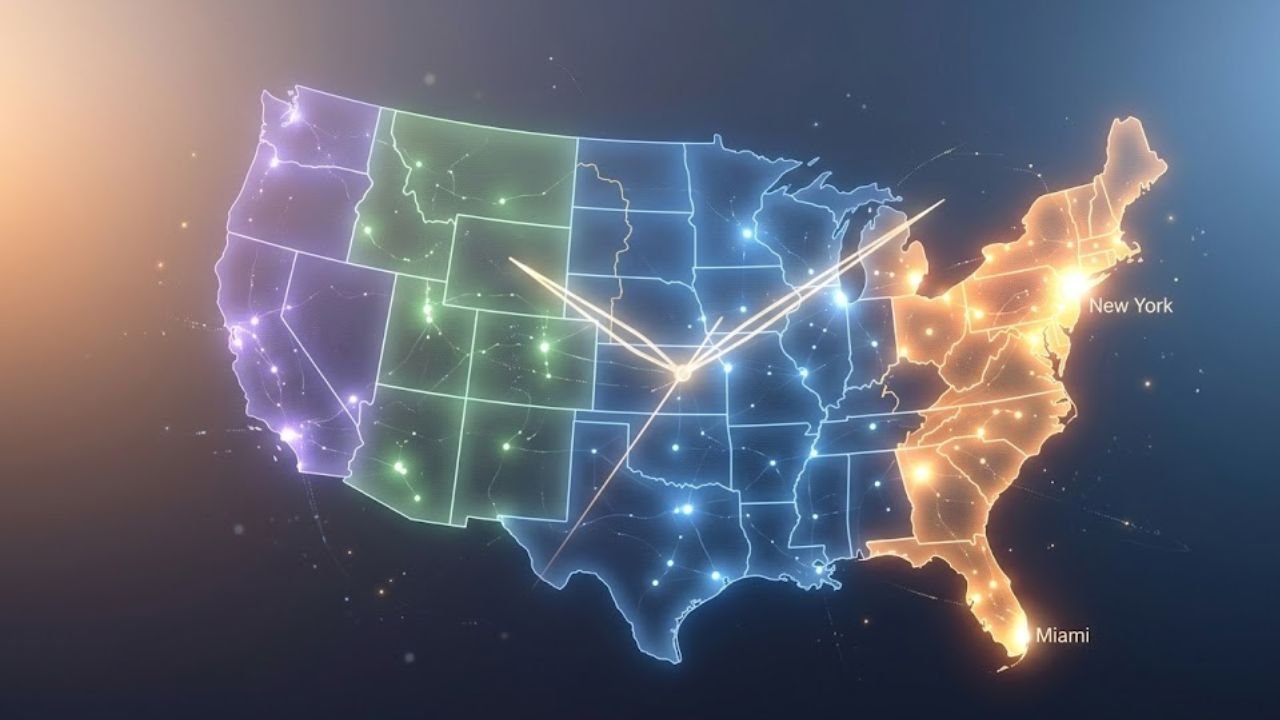
As of late February 2026, The political landscape is grappling with a significant shift in public opinion regarding the use of import taxes as a primary economic tool. Following a landmark 6-3 decision by the Supreme Court which curtailed the executive branch’s ability to impose sweeping tariffs under 1977 emergency powers, new data indicates a notable decline in voter support. Trade policy has long served as a cornerstone of the current administration’s identity, particularly among working-class voters in the Midwest. However, the intersection of legal setbacks and persistent concerns over consumer price inflation has created a challenging environment for the White House as the 2026 midterm elections approach.
Table of Contents
The Judicial Constraint on Executive Emergency Powers
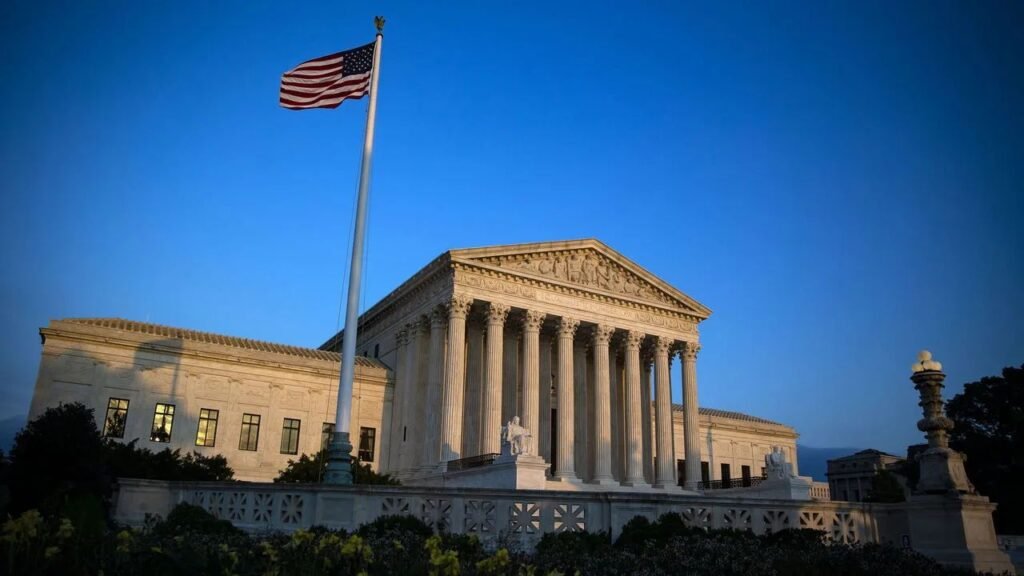
The Supreme Court ruling delivered a critical blow to the administration’s trade program by finding a lack of statutory authority for the broad application of import duties. The 1977 International Emergency Economic Powers Act, which had been the legal foundation for several recent tariff tranches, was deemed insufficient for the scale of the taxes imposed.
This legal pivot has not only halted current collections but has also opened a complex debate regarding the potential for multi-billion dollar refunds to American corporations. The resulting legal vacuum has left many industries in a state of flux, unsure whether previous price hikes will be reversed or if the administration will seek alternative legislative avenues to reimpose the duties.
Statistical Trends in Voter Disapproval
Public sentiment has moved into sharply negative territory throughout the first two months of 2026. Data collected between January 9 and January 12 showed a net approval rating of -19, with 56 percent of respondents expressing disapproval of the tariff strategy. By late February, after the high court’s intervention, that disapproval climbed to 60 percent, while approval plummeted to just 33 percent. This represents a net approval rating of -27, reflecting an 8-point negative swing in just over five weeks. The speed of this erosion suggests that the judicial rejection of the program has validated concerns among the electorate regarding the legality and economic impact of the policy.
Impact on Consumer Goods and Market Stability
One of the primary drivers of the recent polling slide is the direct correlation between tariff implementation and the cost of household essentials. Opponents of the program argue that the taxes have functioned as a hidden levy on American consumers, impacting sectors ranging from construction materials to grocery staples.
The uncertainty following the court’s ruling has also introduced volatility into the markets, as businesses struggle to price inventory without knowing the final status of import costs. While the administration maintains that these measures are necessary to bring manufacturing back to domestic soil, the immediate reality for many families has been higher out-of-pocket expenses.
Legislative Responses and the Path to Midterms
The debate has now migrated from the Oval Office to the halls of Congress, where lawmakers are divided on how to proceed. Some proponents of America-First trade policies are looking for ways to codify tariff authority through new legislation, emphasizing the need to confront unfair trade practices from overseas adversaries.
Conversely, critics are calling for immediate restitution for taxpayers, framing the now-defunct tariffs as an illegal seizure of funds. As the midterm cycle accelerates, the ability of the administration to stabilize this signature economic argument will be a defining factor in its ability to retain support among key swing demographics.
Comparative Polling Data on Tariff Approval
| Survey Period | Approval Rate | Disapproval Rate | Net Approval |
| Jan 9-12, 2026 | 37% | 56% | -19 |
| Feb 20-23, 2026 | 33% | 60% | -27 |
| Change | -4% | +4% | -8 point swing |
In the current economic climate of 2026, the utility of tariffs as a negotiation leverage point is being tested by the limits of executive overreach. For businesses, the practical application of this data suggests a need for diversified supply chains that do not rely on the stability of emergency-power-based trade barriers.
The Supreme Court’s insistence on a “Major Questions Doctrine” approach means that any future significant trade interventions will likely require explicit, granular approval from Congress. Companies should prepare for a period of legislative lobbying rather than relying on executive orders for industrial protection. For the average voter, the focus remains on whether the removal of these tariffs will result in a measurable decrease in retail prices before the November elections.
Key Takeaways
- Public disapproval of the current tariff program has reached a new high of 60 percent.
- The Supreme Court limited the use of the 1977 emergency powers law for trade taxes.
- Net approval for the administration’s handling of tariffs fell 8 points in early 2026.
- Legal uncertainty remains regarding billions of dollars in potential tariff refunds.
- Midterm election strategies are being adjusted as a core economic pillar weakens.