The Sacagawea Dollar, first released in 2000, continues to capture attention in the coin collecting world. Featuring Sacagawea, the Shoshone woman who guided the Lewis and Clark expedition, carrying her infant son, the coin stands out for both its historical tribute and distinctive golden appearance. Although millions were struck for circulation, certain rare varieties and mint errors have become highly valuable. As of 2026, demand for these special pieces remains strong among collectors and investors.
Table of Contents
Brief History of the Sacagawea Dollar
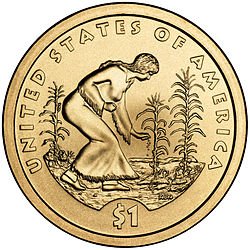
The Sacagawea Dollar was introduced to replace the Susan B. Anthony Dollar, which had struggled in everyday use. The new coin featured a smooth edge and a golden manganese-brass alloy, making it visually distinct from quarters.
Despite its improved design, it did not achieve widespread circulation success. However, it quickly gained popularity in the numismatic community. Over time, promotional releases and minting errors added layers of rarity that increased its collectible appeal.
Standard Circulation Value in 2026
Most Sacagawea Dollars found in circulation are worth face value. Because they were produced in large numbers, they remain relatively common.
Coins in better condition or preserved in original rolls and mint sets may sell for slightly more, usually between $2 and $5. While these are not rare, they still attract collectors interested in completing date-and-mintmark sets.
General Market Value (Common Issues)
| Coin Type | Approximate Value (2026) |
|---|---|
| Circulated coins | $1 |
| Uncirculated examples | $2 – $5 |
| Mint rolls and sets | $10 – $50 |
Values depend heavily on condition and packaging.

Rare Varieties and Error Coins
The highest values in the Sacagawea Dollar series come from rare mint varieties and production mistakes.
2000 “Cheerios” Dollar
In 2000, a limited number of Sacagawea Dollars were placed in Cheerios cereal boxes as part of a promotional campaign. Some of these coins featured enhanced eagle tail feathers on the reverse, making them distinct from regular circulation strikes.
Certified examples can range from $5,000 to $25,000 depending on grade.
Mule Error Coins
Mule errors occur when mismatched dies are used. One of the most famous examples pairs the Sacagawea obverse with the Washington Quarter reverse. These extremely rare coins have sold for tens of thousands of dollars, sometimes exceeding $100,000 at auction.
Experimental and Test Strikes
During early production, test coins were struck using experimental materials or rim designs. These are scarce and vary widely in value depending on documentation and condition.
Proof and Special Collector Issues
Proof coins produced for collector sets often carry premiums, especially when graded at high levels. These typically range from $10 to $200, with exceptional examples reaching higher amounts.

Importance of Condition and Grading
Condition significantly impacts a coin’s value. Coins are graded on a scale from Poor (P-1) to Mint State (MS-70).
- Circulated coins generally remain at face value
- Mint State coins can range from $5 to $50
- Rare varieties in high Mint State or Proof condition may reach thousands
Professional grading services such as PCGS and NGC authenticate and assign official grades. Certified coins typically sell for higher prices due to buyer confidence.
2026 Value Summary Chart
| Category | Estimated Value Range |
|---|---|
| Common circulation coins | $1 – $5 |
| Uncirculated rolls and sets | $10 – $50 |
| 2000 Cheerios Dollar | $5,000 – $25,000 |
| Mule Error Coins | $30,000 – $100,000+ |
| Proof and special issues | $10 – $200+ |
Market prices can fluctuate depending on demand and auction results.
Why Collectors Still Want Sacagawea Dollars
The coin’s appeal lies in its modern history, distinctive design, and hidden rarities. Beginners appreciate its accessibility, while experienced collectors pursue rare varieties and error coins.
Many hobbyists build complete date-and-mintmark collections, while others focus exclusively on high-grade certified pieces or rare mint mistakes. This broad appeal keeps the series active in today’s market.
Investment Outlook for 2026
Rare Sacagawea Dollars, particularly the Cheerios variety and mule errors, have demonstrated strong long-term value growth. Their scarcity and documented history make them attractive investment pieces.

Collectors seeking investment potential should prioritize certified, high-grade examples. While common coins may not see dramatic appreciation, complete sets and rare varieties continue to attract competitive bidding.
Proper Storage and Preservation
Maintaining condition is essential for protecting value.
- Avoid handling coins with bare hands
- Store coins in protective holders or capsules
- Keep them in a dry, stable environment
- Never clean coins, as cleaning can reduce value
For rare coins, professional conservation services are recommended if preservation concerns arise.
Final Thoughts
The Sacagawea Dollar remains one of the most interesting modern U.S. coin series. While most examples are worth only face value, certain rare varieties have reached impressive price levels in 2026.
Whether you are a beginner assembling a basic set or an advanced collector searching for a rare Cheerios Dollar or mule error, this series offers both affordability and high-value opportunities. Its combination of historical significance, distinctive design, and collectible rarities ensures it will remain relevant in the numismatic world for years to come.